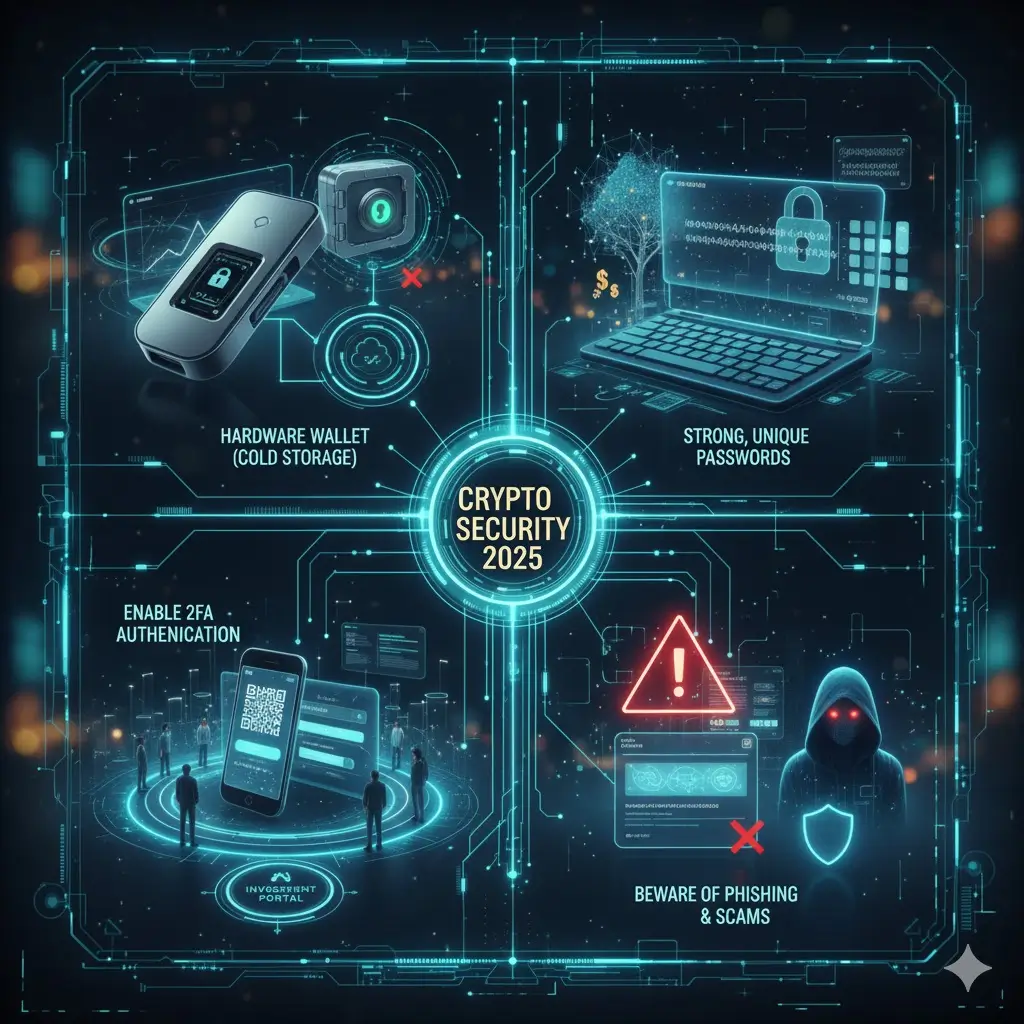

Your cryptocurrency is only as safe as the wallet holding it. With billions of dollars in digital assets stored on mobile devices, securing your crypto wallet has never been more critical. One mistake—a weak password, a phishing link, or outdated software—can result in irreversible losses.
Mobile wallets offer convenience, allowing you to trade, send, and receive crypto on the go. However, this accessibility comes with risks. Hackers constantly develop new tactics to exploit vulnerabilities, from sophisticated phishing scams to malware-infected apps. Understanding how to protect your assets is essential for anyone serious about cryptocurrency.
This guide will walk you through the fundamentals of crypto wallet security, highlight the best crypto wallets for Android and iOS, and provide actionable tips to keep your digital assets safe. Whether you’re a seasoned investor or just starting out, these insights will help you navigate the complex landscape of mobile crypto security.
Understanding Crypto Wallet Security
Before diving into specific wallets, it’s important to understand how they work and the threats they face.
How Crypto Wallets Work
Cryptocurrency wallets don’t actually store your coins. Instead, they hold the private keys that grant access to your funds on the blockchain. Think of a private key as a password that proves ownership of your crypto. If someone gains access to your private key, they can transfer your assets without your permission.
Wallets come in different forms:
Hot Wallets vs. Cold Wallets: Hot wallets are connected to the internet, making them convenient for frequent transactions but more vulnerable to online attacks. Cold wallets, like hardware devices, remain offline and offer stronger security for long-term storage.
Custodial vs. Non-Custodial: Custodial wallets are managed by third parties (like exchanges), which control your private keys. Non-custodial wallets give you full control, meaning you’re responsible for safeguarding your keys.
Common Security Threats
Mobile crypto wallets face several threats:
Phishing Scams: Attackers trick users into revealing their private keys or seed phrases through fake websites, emails, or apps that mimic legitimate services. The Electrum Wallet Phishing Attack in 2019 saw users download malware-infected software after being deceived by convincing fake alerts, resulting in substantial losses.
Malware Attacks: Malicious software can infiltrate your device, logging keystrokes or accessing stored wallet data. Some malware even modifies wallet addresses during transactions, redirecting funds to the attacker.
SIM Swapping: Hackers hijack your phone number by convincing your carrier to transfer it to their device. Once they control your number, they can bypass two-factor authentication and access your accounts. SIM swapping attacks on crypto investors remain an ongoing threat, with numerous high-profile cases reported.
Understanding these risks is the first step toward protecting your crypto. The human element is often the weakest link. Social engineering and phishing tactics grow more sophisticated every day, making user education paramount.
Key Security Features to Look For
When choosing a mobile crypto wallet, prioritize these security features:
Two-Factor Authentication (2FA)
2FA adds an extra layer of protection by requiring a second form of verification beyond your password. This could be a code sent to your phone or generated by an authentication app. Even if someone obtains your password, they won’t be able to access your wallet without the second factor.
Biometric Authentication
Fingerprint and facial recognition provide convenient yet secure access to your wallet. These methods are difficult to replicate and add a personal layer of security that passwords alone cannot offer.
Encryption
Strong encryption protects your wallet data both when stored on your device and during transmission. Look for wallets that use industry-standard encryption protocols to safeguard your private keys.
Multi-Signature Support
Multi-sig wallets require multiple private keys to authorize a transaction. This feature is particularly useful for shared accounts or business wallets, as it prevents a single compromised key from resulting in total loss.
Open-Source and Audited Code
Wallets with open-source code allow independent security experts to review and identify vulnerabilities. Regular security audits by reputable firms provide additional confidence in the wallet’s safety.
Regular Security Updates
Software vulnerabilities are constantly discovered and patched. Wallets that receive frequent updates address these issues promptly, reducing your exposure to known threats. Delaying updates can leave your wallet vulnerable to exploits that have already been fixed.
Best Crypto Wallets for Android
Trust Wallet
Trust Wallet is a popular non-custodial wallet that supports a wide range of cryptocurrencies. It offers strong security features, including biometric authentication and encrypted private keys stored locally on your device.
Pros:
- User-friendly interface ideal for beginners
- Supports thousands of tokens and NFTs
- Built-in DApp browser for decentralized applications
- Regular security updates
Cons:
- As a hot wallet, it’s more vulnerable to online threats than hardware alternatives
- Customer support can be slow to respond
Ledger Nano X (Mobile Companion)
While primarily a hardware wallet, the Ledger Nano X pairs seamlessly with Android devices via Bluetooth. This combination offers the security of cold storage with mobile convenience.
Pros:
- Private keys never leave the hardware device
- Supports over 5,500 cryptocurrencies
- Certified secure chip technology
- Regular firmware updates
Cons:
- Requires purchasing the physical device
- Bluetooth connectivity introduces minor security considerations
Exodus Wallet
Exodus provides an intuitive interface with built-in exchange features. It emphasizes ease of use without compromising on security fundamentals.
Pros:
- Beautiful, easy-to-navigate design
- Built-in exchange for swapping assets
- Portfolio tracking and analytics
- Strong encryption for stored keys
Cons:
- Closed-source code limits independent security verification
- Limited customer support options
Best Crypto Wallets for iOS
Trust Wallet
Trust Wallet’s iOS version mirrors its Android counterpart, offering the same robust security features and extensive cryptocurrency support.
Pros:
- Consistent experience across platforms
- Face ID and Touch ID support
- Active development and security patches
- Large, supportive community
Cons:
- Some advanced features may be limited on iOS
- Requires careful backup of recovery phrase
Trezor Model T (Mobile Companion)
The Trezor Model T is another hardware wallet that works well with iOS devices through the Trezor Suite mobile app. It provides top-tier security for serious investors.
Pros:
- Open-source firmware regularly audited by security researchers
- Color touchscreen for easy verification of transactions
- Supports a vast array of coins and tokens
- Recovery seed can be protected with additional passphrase
Cons:
- Higher price point than software wallets
- Requires USB-C adapter for iPhone connectivity
Coinbase Wallet
Coinbase Wallet is a non-custodial wallet separate from the main Coinbase exchange. It offers straightforward security features and integration with the broader Coinbase ecosystem.
Pros:
- Simple setup process
- Biometric authentication support
- Cloud backup option (encrypted)
- Easy access to DeFi applications
Cons:
- Cloud backup may raise concerns for privacy-focused users
- Limited to select cryptocurrencies compared to other wallets
General Security Tips for Mobile Crypto Wallets
Beyond choosing a secure wallet, follow these best practices:
Keep Your Software Updated
Both your wallet app and your phone’s operating system need regular updates. These patches address newly discovered vulnerabilities that hackers could exploit.
Use a Strong, Unique Password
Create complex passwords combining uppercase and lowercase letters, numbers, and symbols. Never reuse passwords across different services. Consider using a reputable password manager to generate and store unique credentials.
Beware of Phishing Scams
Always verify the authenticity of websites and emails before entering sensitive information. Legitimate companies will never ask for your private key or seed phrase. When in doubt, navigate directly to the official website rather than clicking links.
Enable 2FA and Biometric Authentication
Activate every available security feature your wallet offers. The extra seconds required for authentication are worth the protection they provide.
Only Download Wallets from Official App Stores
Avoid downloading wallet apps from third-party sources or clicking on links from unsolicited messages. Stick to official app stores and verify the developer’s identity before installing.
Backup Your Wallet Regularly
Write down your recovery phrase and store it securely offline. This phrase is your only way to recover your funds if you lose access to your device. Never store it digitally or share it with anyone.
Use a Secure Internet Connection
Avoid accessing your wallet on public Wi-Fi networks, which can be easily compromised. If you must use public networks, connect through a VPN to encrypt your traffic.
Consider a Hardware Wallet for Large Holdings
Diversifying wallet types can mitigate risk. Store significant amounts in cold storage while using a hot wallet for everyday transactions. This approach limits potential losses if one wallet is compromised.
Hardware wallets, while secure, are not foolproof. Users must ensure they purchase directly from the manufacturer to avoid tampered devices. Counterfeit hardware wallets have been sold through third-party retailers, containing malware designed to steal funds.
Advanced Security Measures
For those seeking maximum protection, consider these additional steps:
Using a VPN
A Virtual Private Network encrypts your internet connection, making it harder for attackers to intercept your data. This is especially important when accessing your wallet on unfamiliar networks.
Encrypting Your Mobile Device
Enable full-disk encryption on your phone to protect all stored data. If your device is lost or stolen, encryption prevents unauthorized access to your wallet and other sensitive information.
Regularly Monitoring Wallet Activity
Check your transaction history frequently for any unauthorized activity. Set up notifications for outgoing transactions so you’re immediately alerted to suspicious behavior.
Multi-Party Computation (MPC)
MPC is an emerging technology that distributes key management across multiple parties, eliminating single points of failure. This approach is gaining traction as a more secure alternative to traditional key storage.
AI-Powered Threat Detection
Some next-generation wallets are incorporating artificial intelligence to detect and prevent suspicious activities in real time. These systems can identify unusual transaction patterns and alert users before losses occur.
Learning from Past Breaches
Several high-profile crypto wallet hacks highlight the importance of security:
The Coincheck Hack (2018): Over $500 million in NEM tokens were stolen due to poor private key management. The exchange stored keys in a hot wallet without adequate security measures, making them vulnerable to attack.
The Bitfinex Hack (2016): Nearly 120,000 BTC were stolen after hackers exploited a vulnerability in the exchange’s multi-signature setup. This incident demonstrates that even advanced security features require proper implementation.
These examples underscore that no system is entirely immune to attack. However, following best practices significantly reduces your risk.
Future Trends in Crypto Wallet Security
The crypto security landscape continues to evolve:
Biometric Advancements: Expect broader adoption of advanced biometric methods, including voice recognition and behavioral analysis, to strengthen authentication.
Regulatory Compliance: As governments develop clearer frameworks for cryptocurrency, wallets will likely face standardized security certifications and compliance requirements.
Decentralized Identity Solutions: New protocols are emerging that allow users to prove their identity without revealing personal information, enhancing both security and privacy.
Hardware Innovation: Next-generation hardware wallets will offer improved user experiences while maintaining top-tier security, making cold storage more accessible to mainstream users.
Protect Your Crypto Today
Securing your cryptocurrency requires vigilance, education, and the right tools. Mobile wallets offer unmatched convenience, but that accessibility comes with responsibility. By understanding the threats, choosing wallets with robust security features, and following best practices, you can significantly reduce your risk of loss.
Remember: crypto transactions are irreversible. Once funds leave your wallet, there’s no customer service line to call for a refund. Taking security seriously isn’t optional—it’s essential.
Ready to secure your digital assets? Download one of our recommended wallets and begin protecting your cryptocurrency today. Share this article with friends to help them safeguard their holdings. For ongoing insights into crypto security and blockchain technology, sign up for our newsletter. Leave a comment below with your own wallet security tips, and explore our comprehensive guide on cryptocurrency investing to deepen your knowledge.
Your crypto security journey starts now.