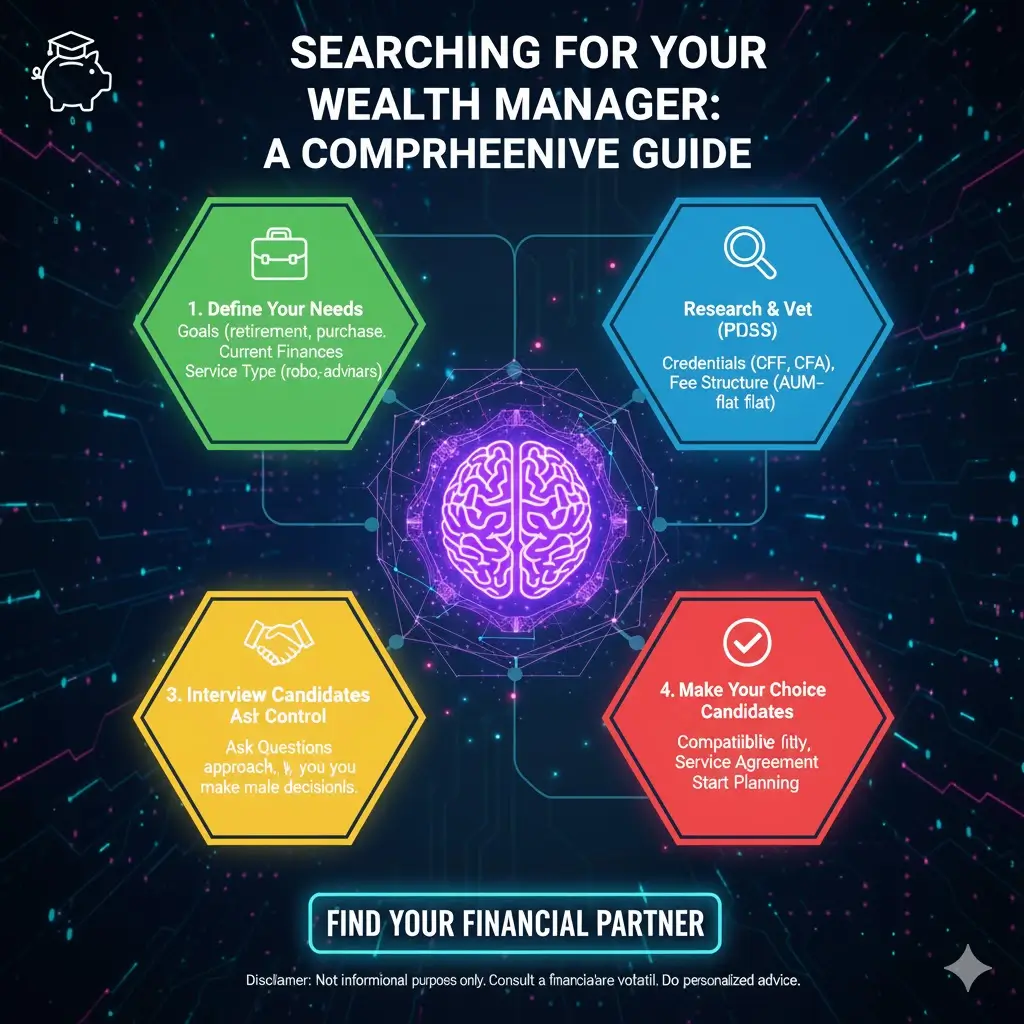

Choosing a wealth manager is one of the most significant financial decisions you’ll ever make. It’s not just about hiring someone to manage your investments; it’s about finding a trusted partner who understands your life goals, shares your values, and can guide you through complex financial landscapes. The right wealth manager provides more than just investment advice—they offer peace of mind, strategic direction, and a clear path toward achieving your long-term aspirations.
However, embarking on this search can feel overwhelming. The financial industry is vast, with countless professionals and firms all promising to grow your wealth. The challenge is that there is no single, consumer-friendly directory listing every financial advisor in the nation. While institutional databases exist, they are built for industry use and lack the information that matters most to individuals like you. They often present raw regulatory data without context or are opt-in directories with limited, unverified information.
This guide will demystify the process of finding the right wealth manager. We will provide a step-by-step framework to help you define your needs, research potential candidates, and ultimately select a partner you can trust. By investing a little time now, you can build a relationship that secures your financial future for years to come.
Aligning Your Financial Goals with the Right Advisor
Before you even begin your search, the most crucial step is to look inward. You need to clearly define what you want to achieve with your wealth. A financial advisor’s role is to help you reach your goals, so having a clear picture of those goals is paramount.
Start by writing down your specific financial objectives. Are you a young professional with significant student loan debt looking to create a budget and start investing? Or perhaps you’re part of a family planning for a comfortable retirement and need help with estate planning and tax optimization.
Consider these common scenarios:
- Early-Stage Investing & Debt Management: A young professional might need a wealth manager who can create a strategy to aggressively pay down debt while building an investment portfolio for long-term growth.
- Retirement & Estate Planning: A family nearing retirement will need guidance on generating a stable income stream from their assets, minimizing taxes, and ensuring a smooth transfer of wealth to the next generation.
- Business Owners: An entrepreneur might require specialized advice on managing business assets, planning for succession, and integrating personal and business finances.
Documenting your needs creates a benchmark against which you can measure potential advisors. This clarity will be invaluable as you navigate the search process and interview candidates.
Understanding Different Types of Wealth Managers
The term “financial advisor” is broad, and professionals in this field come with different specializations, compensation models, and affiliations. Understanding these distinctions is key to finding the right fit.
Independent Advisors vs. Brokerage Firms
A major distinction lies between independent advisors and those affiliated with large brokerage firms.
- Independent Registered Investment Advisors (RIAs): These advisors are typically fiduciaries, meaning they are legally obligated to act in your best interest. They often run their own firms or are part of smaller, independent practices. This structure can allow for more personalized service and a wider range of investment products, as they are not tied to proprietary offerings.
- Advisors at Large Brokerage Firms: Advisors at well-known firms like Vanguard Personal Advisor Services or Edward Jones are affiliated with a larger corporation. They may have access to extensive in-house research and resources. However, it’s important to understand their compensation structure, as some may earn commissions for selling specific financial products, which can create potential conflicts of interest.
Specialized Expertise
Many wealth managers specialize in serving particular client niches. This specialization can be incredibly valuable. For example, some advisors focus on:
- Women in transition, such as those going through a divorce or widowhood. These advisors understand the unique emotional and financial challenges involved and can provide both financial guidance and emotional support. Margaret, a woman who endured a difficult divorce, wished she had known about advisors specializing in this area. They could have helped her navigate the financial coercion from her ex-husband and protect her assets more effectively.
- College funding. As Amrinder Babbra’s story illustrates, the cultural pressure and complexity of paying for higher education can lead to significant debt. An advisor specializing in college planning could have provided a cost-benefit analysis of different schooling options, helping him make a more informed decision.
- Clients in specific industries, like tech professionals with equity compensation or medical practitioners with unique financial planning needs. These specialists understand the intricacies of your profession and can offer tailored advice.
Identifying an advisor with experience relevant to your situation can lead to a more effective and empathetic partnership.
Due Diligence: How to Research and Vet Potential Wealth Managers
Once you have a clear idea of your needs, it’s time to start building a list of potential candidates. Since there’s no single perfect directory, a two-pronged approach using professional association listings and targeted Google searches is most effective.
Leveraging Professional Directories
Several reputable trade organizations offer searchable directories of their members. These are excellent starting points because members often adhere to specific ethical standards or business practices.
- For General Financial Planning:
- CFP Board: The certification board for CERTIFIED FINANCIAL PLANNER™ professionals. Their website, letsmakeaplan.org, allows you to search for CFP® professionals who are committed to a fiduciary standard.
- NAPFA (National Association of Personal Financial Advisors): Members are all fee-only CFP® professionals, meaning they don’t accept commissions. Their directory can be found at napfa.org.
- Garrett Planning Network: This network consists of fee-only advisors who offer services on an hourly, as-needed basis, which can be great for those seeking project-based advice. Visit them at garrettplanningnetwork.com.
- XY Planning Network: This network caters to Gen X and Gen Y clients, with fee-only CFP® professionals who understand the challenges facing younger generations. You can find their advisors at xyplanningnetwork.com.
- For Investment-Focused Management:
- CFA Institute: This organization provides a directory of Chartered Financial Analyst® (CFA®) charterholders, who specialize in investment analysis and portfolio management.
- Investments & Wealth Institute: This group offers certifications like the Certified Investment Management Analyst® (CIMA®) for advisors focused on advanced portfolio construction.
Using Google to Your Advantage
Most modern advisors want to be found online. A simple Google search can uncover local advisors who may not belong to the major trade groups. Use specific search terms like:
- “Wealth management [your city, your state]”
- “Financial advisor for widows [your city, your state]”
- “Investment management firm [your city, your state]”
Review the first few pages of results. This method, combined with professional directories, will provide a robust list of potential advisors.
The Role of Personal Referrals
Many people find their advisor through a friend, family member, or colleague. While these referrals come from a place of trust, it’s crucial to approach them with a critical eye. The person referring you may not fully understand their advisor’s credentials, specialization, or fee structure. They might simply say, “He’s a great guy,” without knowing the specifics. Always follow up on personal referrals with the same rigorous vetting process you would for any other candidate.
Credentials, Experience, and Track Record: What to Look For
With a shortlist of candidates, it’s time to dig deeper. Your goal is to assess their qualifications, experience, and history of ethical conduct.
Key Credentials to Look For
- CFP® (CERTIFIED FINANCIAL PLANNER™): This is a hallmark of a comprehensive financial planner. CFP® professionals must meet rigorous education, examination, experience, and ethics requirements.
- CFA® (Chartered Financial Analyst®): This designation is the gold standard for investment management professionals, indicating deep expertise in portfolio management and financial analysis.
- CPA/PFS (Certified Public Accountant/Personal Financial Specialist): This credential combines the tax expertise of a CPA with financial planning knowledge.
Regulatory Background Check
Always check an advisor’s regulatory history. You can do this through the SEC’s Investment Adviser Public Disclosure (IAPD) website and FINRA’s BrokerCheck. These free tools will show you an advisor’s employment history, licenses, and any disciplinary actions or customer complaints. This is a non-negotiable step in ensuring you’re dealing with a reputable professional.
Fee Structures and Compensation Models: Ensuring Transparency
Understanding how a wealth manager is paid is critical. It impacts the advice you receive and the overall cost of their service. There are three primary models:
- Fee-Only: These advisors are compensated directly by you, typically through an hourly rate, a flat fee for a specific project (like creating a financial plan), or a percentage of the assets they manage (AUM). Fee-only advisors do not accept commissions, which minimizes conflicts of interest.
- Commission-Based: These advisors earn money by selling financial products like mutual funds or insurance policies. This model can create an incentive to recommend products that pay a higher commission, rather than those that are necessarily in your best interest.
- Fee-Based: This is a hybrid model where an advisor might charge a fee for their planning services but also earn commissions on products they sell. It’s crucial to ask for full transparency to understand all potential conflicts.
Always ask a potential advisor to clearly explain their fee structure in writing. For example, Marie, who needed to consolidate her retirement accounts, chose a fee-only planner who charged by the hour. This transparent arrangement cost her $300 for two hours and resulted in a simplified, lower-cost investment strategy.
The Importance of Trust and Communication in Wealth Management
Beyond credentials and fees, the relationship you have with your wealth manager is deeply personal. Trust, communication, and compatibility are the foundations of a successful long-term partnership.
The Role of Technology
Modern wealth management is enhanced by technology. Firms like FinanceCore AI use state-of-the-art digital tools to provide clients with real-time insights into their portfolios and financial plans. Ask potential advisors how they use technology to communicate with clients and provide transparent reporting. An engaged client is an empowered client, and technology can facilitate that engagement.
The Interview Process
When you interview your top candidates, pay attention to the emotional and psychological aspects of the interaction. Do they listen more than they talk? Do they ask thoughtful questions about your life and goals, not just your assets? A great advisor acts as a coach and a guide. Ron, a semi-self-directed investor, found an “beyond excellent” advisor who tempered his aggressive tendencies and rebalanced his portfolio based on market conditions, resulting in “stunning” returns. This partnership worked because of the open communication and mutual respect between them.
A local advisor can offer the benefit of in-person meetings, allowing you to look them in the eye and build a stronger personal connection. However, the perfect advisor for you might be halfway across the world, and a strong relationship can still be built through virtual communication.
Making an Informed Decision and Taking Control of Your Financial Future
Choosing a wealth manager is a journey that requires careful thought and due diligence. By defining your goals, understanding the different types of advisors, conducting thorough research, and prioritizing trust and communication, you can find a partner who will help you navigate your financial life with confidence.
At FinanceCore AI, we believe in building lasting relationships. Our AI-driven financial planning is tailored to your unique circumstances, and our expert wealth managers are committed to upholding the highest ethical standards. We combine deep market understanding with cutting-edge technology to provide the consistent guidance and support you need to achieve your financial goals.
The time you invest in finding the right wealth manager is an investment in yourself and your future. Take the next step today to gain clarity and control over your financial destiny.
Ready to see how a dedicated wealth manager can make a difference? Download our comprehensive wealth management guide to learn more about building a successful financial partnership.