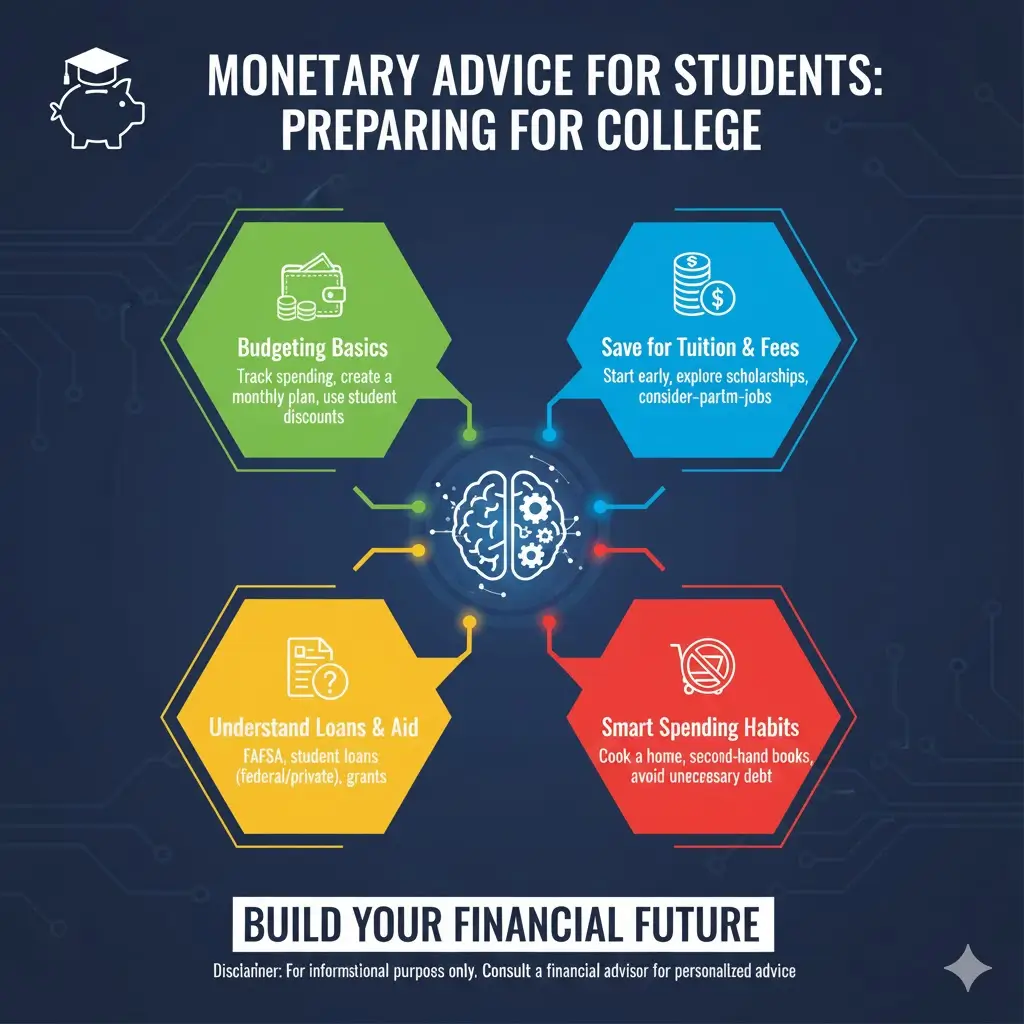

Heading off to college is an exciting chapter filled with new friends, late-night study sessions, and unforgettable experiences. But let’s be real—it also comes with a significant price tag. High tuition fees, rising living costs, and the challenge of balancing work and studies can feel overwhelming. Without a solid financial plan, it’s easy to fall into debt and stress about money.
The good news is that managing your finances in college doesn’t have to be a source of anxiety. With the right strategies, you can take control of your money, avoid unnecessary debt, and even start building a secure financial future before you even graduate. Think of it as your first real-world class: Personal Finance 101.
This guide will walk you through everything you need to know about college finances. We’ll cover creating a realistic budget, understanding student loans, finding smart ways to save, and even dipping your toes into investing. By the end, you’ll have the tools and confidence to manage your money like a pro and make the most of your college years without breaking the bank.
Creating a Budget You’ll Actually Stick To
A budget is your roadmap to financial success. It helps you see exactly where your money is coming from and where it’s going, empowering you to make intentional spending decisions. For college students, mastering college budgeting is a critical skill that pays dividends long after graduation.
As college senior Maria puts it, “Budgeting helped me realize where my money was going and cut unnecessary expenses.” Like Maria, you can gain control over your finances. Here’s a step-by-step guide to get you started.
Step 1: Track Your Income
First, list all your sources of income. This includes money from:
- Part-time jobs or side hustles
- Financial aid (scholarships, grants)
- Allowances or support from family
- Savings
Add everything up to get your total monthly income. This is the foundation of your budget.
Step 2: List Your Expenses
Next, track your spending for a month to understand where your money goes. Your expenses will likely fall into two categories: fixed and variable.
- Fixed Expenses: These are consistent costs each month, like tuition payments, rent or dorm fees, and loan payments.
- Variable Expenses: These costs change from month to month, such as groceries, transportation, textbooks, entertainment, and personal care items.
Don’t forget to account for those non-monthly expenses that pop up, like yearly subscription renewals or car registration.
Step 3: Categorize and Analyze
Once you have a list of your expenses, group them into categories. This is where you can identify areas where you might be overspending. Are you spending more on takeout than you realized? Are subscription services eating into your savings?
Let’s look at Benjamin, a student who was struggling with his finances. He listed his income from his job and financial aid. Then, he tracked his expenses and realized he was spending a lot on Ubers and eating out. By creating a budget, he decided to cook more meals and use public transport, saving a significant amount each month.
Step 4: Set Your Budget and Goals
Now, it’s time to create your budget. A popular method is the 50/30/20 rule:
- 50% for Needs: Essentials like tuition, housing, and groceries.
- 30% for Wants: Entertainment, hobbies, and dining out.
- 20% for Savings & Debt Repayment: Building an emergency fund, investing, or paying off loans.
This is a flexible guideline. Adjust the percentages to fit your personal goals. Your main objective is to ensure your expenses don’t exceed your income.
To make this easier, use budgeting apps like Mint or YNAB (You Need a Budget). These tools link to your bank accounts and automatically categorize your spending, giving you a clear picture of your financial health.
Managing Student Loans Wisely
Student loans can be an essential tool for financing your education, but they also represent a significant financial commitment. The key is to borrow smartly and understand your repayment options to avoid long-term stress.
“Understanding my loan options made a huge difference in my repayment plan,” says David, a recent graduate. Taking the time to research can save you thousands of dollars in the long run.
Types of Student Loans
There are two main categories of student loans: federal and private.
- Federal Student Loans: These are funded by the government and generally offer more benefits, including fixed interest rates, income-driven repayment plans, and opportunities for loan forgiveness. To apply, you must complete the Free Application for Federal Student Aid (FAFSA). Always fill out the FAFSA, even if you don’t think you’ll qualify; you might be surprised by what you’re offered.
- Private Student Loans: These are offered by banks, credit unions, and other financial institutions. They often have variable interest rates and fewer borrower protections than federal loans. They can be a good option if you’ve exhausted your federal loan options, but be sure to compare interest rates and terms carefully.
How to Apply for Financial Aid
1. Gather Your Documents: Before starting the FAFSA, you’ll need your Social Security number, tax returns, and records of any assets like bank accounts.
2. File Early: Some aid is awarded on a first-come, first-served basis. File your FAFSA as close to the October 1st opening date as possible.
3. Look for Scholarships and Grants: These are forms of financial aid that you don’t have to repay. Start by checking with your college’s financial aid office. Use scholarship search engines like Scholarships.com and Fastweb to find opportunities based on your major, interests, and background. Applying for scholarships takes time, but the payoff can be huge.
Choosing the Right Loan and Repayment Plan
When choosing a loan, prioritize federal loans first. If you need private loans, use comparison tools like Credible to find the best rates. Borrow only what you absolutely need to cover your educational expenses.
After you graduate, you’ll have several repayment options for federal loans. These plans are designed to be flexible. For example, income-driven plans base your monthly payment on how much you earn. Understanding these options before you graduate can make the transition much smoother.
Practical Saving Tips for College Students
Saving money in college can feel like an uphill battle, but small changes can lead to big savings over time. The key is to be mindful of your spending and take advantage of opportunities to cut costs.
Cut Unnecessary Expenses
Take a close look at your variable expenses. Could you make coffee at home instead of buying it daily? Can you cancel subscriptions you don’t use? Sarah, a first-generation college student, used budgeting apps to track her spending. She cut out non-essentials and saved enough to cover all her textbooks and supplies each semester without needing extra loans.
Smart Shopping Habits
- Textbooks: Buy used textbooks, rent them, or check for digital versions, which are often cheaper.
- Student Discounts: Always ask if there’s a student discount. Many places, from movie theaters to software companies, offer them.
- Groceries: Plan your meals, stick to a shopping list, and avoid impulse buys at the grocery store.
Earn Extra Income
Consider a part-time job or a side hustle that fits your schedule. “Building a side hustle helped me cover unexpected costs without derailing my budget,” shares Carlos, a college junior. This extra income can go directly into your savings or help cover discretionary spending.
Investing for Your Future, Today
Investing might seem like something for later in life, but starting early in college—even with small amounts—can have a massive impact on your financial future thanks to the power of compound interest.
Sophomore Emily says, “Even small investments can grow over time; it’s never too early to start!” She began investing just $50 a month in a diversified portfolio and has watched it grow, learning valuable lessons about the market along the way.
Getting Started with Investing
You don’t need a lot of money to start. Beginner-friendly investment platforms like Robinhood, Acorns, and Fidelity Go allow you to invest with just a few dollars.
- Low-Cost Index Funds and ETFs: These are great options for beginners. They offer diversification by tracking a broad market index (like the S&P 500), which spreads your risk across many companies.
- Consistency is Key: The most important thing is to invest regularly, even if it’s just a small amount each month. Set up automatic transfers to your investment account to make it a habit.
The Importance of an Emergency Fund
Life is unpredictable. A flat tire, an unexpected medical bill, or a broken laptop can throw your budget into chaos. An emergency fund is a safety net that helps you handle these surprises without going into debt.
Aim to save at least 3-6 months’ worth of essential living expenses in a separate, high-yield savings account. This might seem daunting, but you can start small. David built his emergency fund by working part-time and consistently setting aside a portion of his earnings. When he had an unexpected medical expense, he was able to cover it without stress, keeping his financial goals on track.
Avoiding Unnecessary Debt
While student loans are often necessary, other forms of debt—especially high-interest credit card debt—can be a major setback. Learning to use credit responsibly is a crucial part of your financial education.
Using Credit Cards Wisely
A credit card can be a useful tool for building a credit history, which is important for future financial goals like renting an apartment or buying a car. However, it’s vital to:
- Pay Your Balance in Full: Treat your credit card like a debit card. Only charge what you can afford to pay off in full each month to avoid interest charges.
- Avoid Impulse Purchases: Think before you swipe. Ask yourself if it’s a need or a want.
- Choose a Card with No Annual Fee: As a student, a simple, no-frills card is all you need.
Financial Resources for Students
You’re not alone on this journey. There are many resources available to help you navigate your finances:
- Budgeting Apps: Mint, YNAB (You Need a Budget), Personal Capital.
- Investment Platforms: Robinhood, Acorns, Fidelity Go.
- Scholarship Search Engines: Scholarships.com, Fastweb.
- Financial Literacy Websites: NerdWallet, Investopedia.
- Campus Resources: Your college’s financial aid office often provides free financial counseling and workshops.
- Emergency Aid: Many schools have emergency grant programs for students facing unexpected financial hardship.
Take Control of Your Financial Future
Managing your money in college is about more than just surviving—it’s about setting yourself up for a life of financial freedom and stability. By creating a budget, borrowing wisely, saving diligently, and investing early, you are building habits that will serve you for decades to come.
The journey to financial wellness is a marathon, not a sprint. There will be challenges along the way, but by staying informed and regularly reviewing your financial plan, you can navigate them with confidence.
Ready to take the first step? Download our free budgeting template to start your journey toward mastering your college finances today.