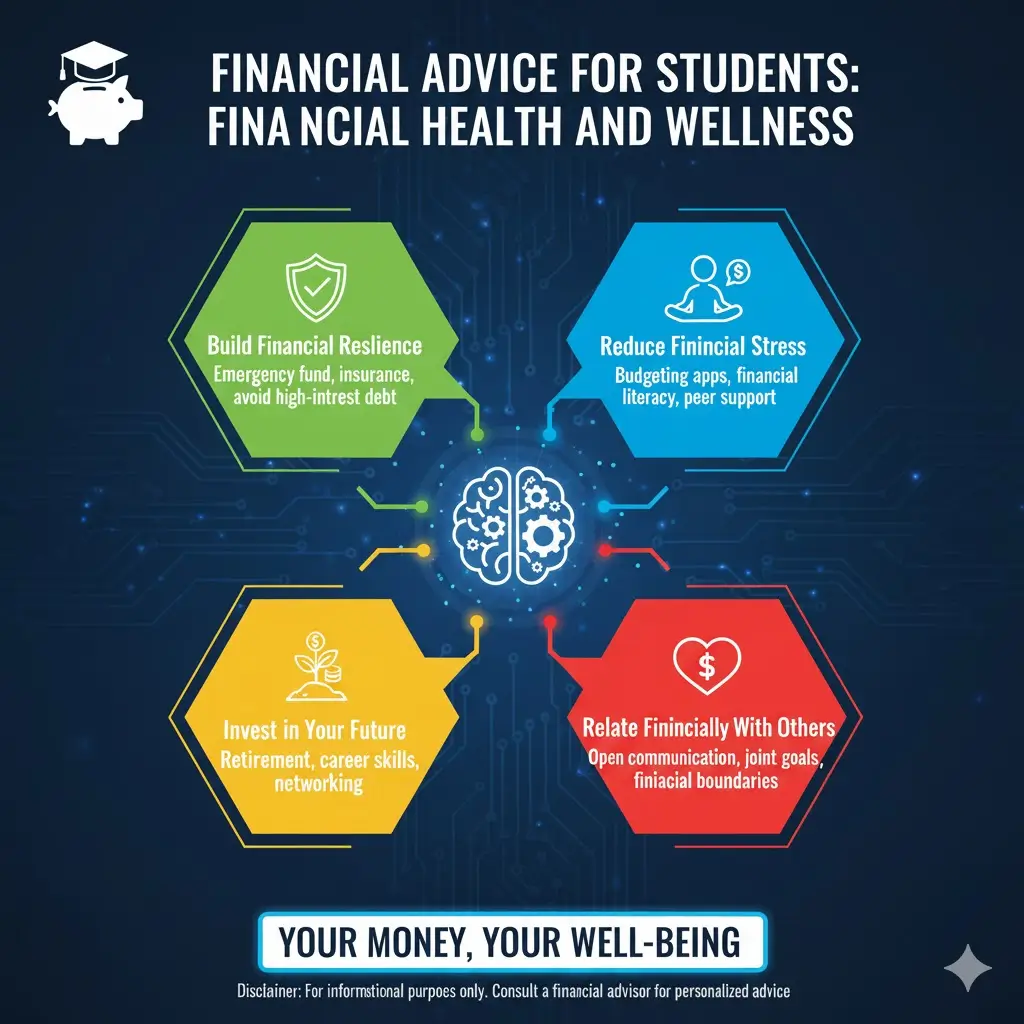

Think financial wellness is just for adults? Think again. College is an incredible time for growth and learning, but it’s also where your financial habits start to take shape. Mastering your money now doesn’t just mean surviving on ramen noodles; it means setting yourself up for a future with less stress and more freedom. Your future self will thank you for the effort you put in today.
This guide is designed to be your go-to resource for navigating the financial challenges of student life. We’ll cover everything from creating a budget that actually works to dipping your toes into the world of investing. By the end, you’ll have a clear roadmap to financial health that can carry you through graduation and beyond. Let’s make your money work for you.
Why Financial Wellness Matters for Students
Financial literacy is the ability to understand and effectively manage your money. For students, this isn’t just an abstract concept; it’s a critical life skill. College is expensive, and managing tuition, books, and living costs requires a solid plan. Poor financial decisions now can lead to long-term debt and stress, impacting everything from your grades to your mental health.
On the other hand, good financial habits can open up a world of opportunities. When you’re in control of your finances, you have the freedom to focus on your studies, pursue internships, and enjoy the full college experience without constant money worries. Building a strong financial foundation now is one of the best investments you can make in your future.
Understanding Budgeting: Your Financial Roadmap
A budget is simply a plan for how you’ll spend your money. It’s the most powerful tool you have for taking control of your finances. Creating one helps you see where your money is going, make intentional spending decisions, and work toward your financial goals.
Creating a Budget That Works
The first step is to figure out your total monthly income. This includes money from part-time jobs, financial aid, allowances, or any other sources. Next, track your expenses for a month to see where your money is actually going. Be honest with yourself—every coffee, snack, and late-night pizza counts. During my freshman year, I quickly learned that frequent concert tickets and dining out weren’t sustainable on my student budget. I had to get real about my spending.
Once you have a clear picture, categorize your expenses:
- Fixed Expenses: These are costs that stay the same each month, like rent, tuition payments, and phone bills.
- Variable Expenses: These costs change, such as groceries, transportation, and entertainment.
A popular and simple method is the 50/30/20 rule:
- 50% for Needs: Essentials like housing, utilities, groceries, and transportation.
- 30% for Wants: Non-essentials like dining out, shopping, hobbies, and entertainment.
- 20% for Savings & Debt Repayment: Building an emergency fund, saving for future goals, or paying down loans.
Setting Financial Goals
Your budget needs a purpose. Setting clear, specific, and time-bound goals will keep you motivated. Whether you want to save for a spring break trip, pay off a credit card, or build an emergency fund, write it down.
For example, a student named Sarah set a goal to graduate debt-free. She calculated she needed to save $2,500 each semester. By creating a detailed budget, picking up extra shifts, and applying for scholarships, she successfully saved over $5,000 in her sophomore year alone, putting her well on her way to achieving her dream.
Managing Debt: Student Loans and Credit Cards
Debt can feel overwhelming, but with the right strategies, you can manage it effectively. The two most common types of debt for students are student loans and credit cards.
Student Loan Strategies
- Know Your Loans: Understand the difference between federal and private loans. Federal loans often have more flexible repayment options and protections.
- Pay Interest While in School: If you have unsubsidized loans, interest accrues while you’re studying. Paying this interest as you go can save you a significant amount of money over the life of the loan.
- Look for Forgiveness Programs: If you plan to work in public service, you might be eligible for loan forgiveness programs after a certain number of payments.
Credit Card Debt Management
Credit cards can be a useful tool for building credit, but they can also be a trap. High interest rates can cause debt to spiral if you’re not careful.
- Pay More Than the Minimum: A common mistake is only paying the minimum amount due. This barely covers the interest, and your balance will hardly shrink. Always try to pay as much as you can.
- Understand APR: APR (Annual Percentage Rate) is the yearly interest you pay. A high APR means you’ll pay more for carrying a balance.
- Build Good Credit: Your Credit Score is a number that represents your creditworthiness. A good score makes it easier to get approved for future loans with better rates. To build it, pay your bills on time and keep your credit card balances low.
Smart Saving Strategies for Students
Saving money in college might seem impossible, but even small amounts can add up. The key is to find creative ways to cut costs without sacrificing your entire social life.
- Cook at Home: Dining out is a major budget-killer. Learning a few simple recipes can save you hundreds of dollars a month.
- Use Student Discounts: Your student ID is a golden ticket. Always ask for student discounts at shops, restaurants, museums, and movie theaters.
- Buy Used: From textbooks to furniture, you can find great deals on used items through campus groups or online marketplaces.
- Find Free Fun: Campuses are hubs of activity. Look for free events like concerts, movie nights, and club meetings. This was a lifesaver for me after my freshman year budget reality check.
- Automate Your Savings: Set up an automatic transfer from your checking to your savings account each payday. Even $20 a week makes a difference.
A Beginner’s Guide to Investing
Investing might sound intimidating, but it’s one of the best ways to build long-term wealth. Thanks to compound interest—where you earn interest on your initial investment and on the interest it has already generated—starting early gives your money more time to grow.
Where to Start
- Robo-Advisors: Platforms like Betterment or Wealthfront use algorithms to build and manage a diversified portfolio for you. They often have low minimum investment requirements, making them great for beginners.
- Index Funds or ETFs: These are baskets of stocks or bonds that track a market index (like the S&P 500). They offer instant diversification, which means spreading your investments to reduce risk.
- Micro-Investing Apps: Apps like Acorns or Stash let you invest small amounts of money, often by rounding up your daily purchases.
It’s important to only invest money you won’t need in the short term. The stock market can be volatile, so you should have a separate emergency fund with 3-6 months of living expenses. This fund should be in a high-yield savings account where it has liquidity (it can be accessed easily).
Avoiding Common Financial Pitfalls
Many students make similar financial mistakes. Being aware of them can help you steer clear.
- Ignoring Your Budget: Creating a budget is half the battle; sticking to it is the other half. Regularly review your spending and adjust as needed.
- Accumulating Credit Card Debt: The temptation to swipe for everything can be strong. Treat your credit card like a debit card and only spend what you can pay off in full.
- Not Having an Emergency Fund: Life is unpredictable. A car repair or an unexpected medical bill can derail your finances if you’re not prepared. Start with a small goal, like $500, and build from there.
- Falling for Scams: Be wary of “get rich quick” schemes or offers that seem too good to be true. Protect your personal and financial information.
Helpful Financial Resources
You don’t have to figure this all out on your own. There are many excellent resources available to help you on your financial journey.
- U.S. Department of Education: The official source for information on federal student loans, grants, and financial aid options.
- Consumer Financial Protection Bureau (CFPB): Offers free tools and unbiased information to help you make smarter financial decisions and avoid scams.
- National Foundation for Credit Counseling (NFCC): Provides access to nonprofit credit counselors who can help with debt management and budgeting.
- Student Aid: A comprehensive resource for understanding and applying for federal student aid programs, including grants, loans, and work-study jobs.
- Local Credit Unions: Often offer student-friendly accounts, lower fees, and personalized financial services.
Your Path to Financial Freedom
Achieving financial wellness as a student is not about restriction; it’s about empowerment. By creating a budget, managing debt wisely, saving consistently, and learning the basics of investing, you are building a foundation for a secure and prosperous future. Aligning your financial goals with your academic and career aspirations ensures that your money is supporting your dreams, not holding you back.
Ready to take the first step? A solid budget is the cornerstone of financial health. Download our free budgeting template to get started on your path to financial wellness today.